Zero Liquid Discharge (ZLD) System
Complete wastewater recovery and elimination system - 95-99% water recovery
What is Zero Liquid Discharge (ZLD)?
Complete wastewater treatment with maximum water recovery and zero discharge
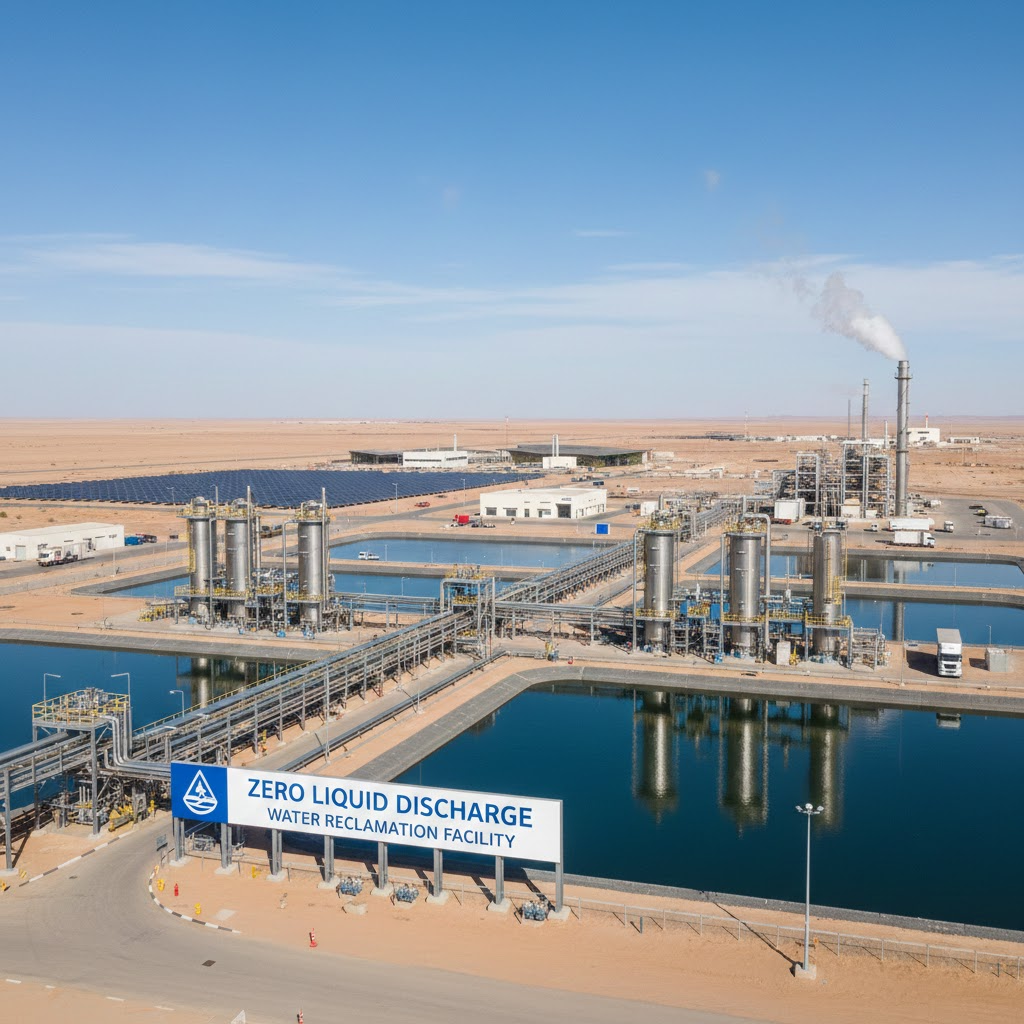
A Zero Liquid Discharge (ZLD) System is an advanced wastewater treatment technology that eliminates liquid waste discharge by recovering 95-99% of wastewater as reusable water and converting remaining contaminants into solid waste for disposal or reuse.
The system combines multiple treatment technologies including pretreatment, membrane filtration, evaporation, and crystallization to achieve near-complete water recovery. ZLD is becoming mandatory for industries with high water consumption and stringent discharge regulations.
ZLD systems are essential for industries like textiles, pharmaceuticals, chemicals, power plants, tannery, and metal finishing where wastewater contains high TDS, heavy metals, or toxic compounds that cannot be discharged into the environment.
Our ZLD systems are designed with energy-efficient evaporators, high-recovery RO systems, and advanced crystallization technology to minimize operational costs while achieving regulatory compliance.
Zero Discharge
Eliminates liquid waste discharge completely
High Water Recovery
95-99% wastewater recovered as reusable water
Industrial Compliance
Meets CPCB/SPCB and pollution board norms
Multi-Technology Integration
Combines RO, MEE, ATFD, crystallizer technologies
ZLD Process Flow Diagram
Complete 7-step process from wastewater to zero discharge
1. Raw Wastewater Collection
Wastewater collection & equalization
2. Primary Treatment
Oil/grease removal, clarification, DAF
3. Secondary Treatment
Biological treatment, MBBR, MBR
4. Tertiary Treatment
UF/RO filtration, softening, chemical treatment
5. Evaporation
MEE, MVC for brine concentration
6. Crystallization
Forced circulation crystallizer
7. Solids Handling
Salt recovery/disposal, sludge management
Benefits of ZLD Systems
Environmental, regulatory, and economic advantages
Environmental Compliance
Meets CPCB/SPCB norms, eliminates discharge penalties, and ensures sustainable operations.
Water Conservation
Recovers 95-99% wastewater for reuse, reducing freshwater consumption by 70-90%.
Cost Savings
Reduces water purchase costs, discharge fees, and environmental compliance costs.
Resource Recovery
Recovers salts, chemicals, and by-products for reuse or sale, creating revenue streams.
Risk Mitigation
Eliminates environmental liabilities and ensures business continuity during water shortages.
Corporate Image
Enhances brand reputation as environmentally responsible, attracting eco-conscious clients.
ZLD Technology Components
Integrated technologies for complete wastewater recovery
Pretreatment System
- Oil & Grease Removal (API/DAF)
- Equalization & Neutralization
- Chemical Precipitation
- Clarifiers & Settlers
Membrane Systems
- Ultrafiltration (UF)
- Reverse Osmosis (RO)
- High Pressure RO
- Brine Concentrator RO
Evaporation Systems
- Multi Effect Evaporator (MEE)
- Mechanical Vapor Compression (MVC)
- Thermal Vapor Compression (TVC)
- Agitated Thin Film Dryer (ATFD)
Crystallization Systems
- Forced Circulation Crystallizer
- OSLO Type Crystallizer
- Salt Recovery System
- Centrifuge & Dryer
Technical Specifications
Comprehensive specifications for ZLD systems
Capacity Range
10 KLD to 10,000 KLD (Customizable)
Water Recovery
95-99% recovery efficiency
Energy Consumption
8-15 kWh per m³ (depending on TDS)
Material of Construction
Corrosion-resistant materials
Detailed System Specifications
| Component | Specification | Material | Capacity |
|---|---|---|---|
| RO System | High Pressure, 80-100 bar | SS 316L | Up to 85% recovery |
| MEE Evaporator | 3-6 effects, falling film | SS 316/Ti | 1-100 TPH |
| Crystallizer | Forced circulation type | SS 316/Hastelloy | 1-50 TPH |
| ATFD | Agitated thin film dryer | SS 316 | 100-5000 kg/hr |
| Control System | PLC/SCADA with HMI | - | Fully automated |
Industrial Applications
ZLD systems for various industries with high wastewater challenges
Textile Industry
Dyeing, printing, bleaching wastewater with high TDS and color
TDS: 5000-15000 ppmPharmaceuticals
API manufacturing, formulation, antibiotic wastewater
TDS: 10000-30000 ppmChemical Industry
Pesticides, dyes, intermediates, specialty chemicals
TDS: 20000-50000 ppmPower Plants
FGD wastewater, cooling tower blowdown, boiler blowdown
TDS: 30000-80000 ppmOil & Gas
Produced water, refinery wastewater, petrochemicals
TDS: 50000-150000 ppmLandfill Leachate
Municipal and industrial landfill leachate treatment
TDS: 10000-40000 ppmZLD System Configurations
Different configurations based on wastewater characteristics
Standard ZLD System
Most CommonProcess Flow:
Pretreatment → RO → Evaporator → Crystallizer
High Efficiency ZLD
Energy EfficientProcess Flow:
Pretreatment → UF → RO → Brine RO → MEE → Crystallizer
Thermal ZLD System
For High TDSProcess Flow:
Pretreatment → Evaporator → Crystallizer → ATFD
Frequently Asked Questions
Common questions about ZLD systems
ZLD system costs vary based on:
- Capacity: ₹50,000-₹1,00,000 per KLD for complete system
- TDS Level: Higher TDS requires more expensive materials
- Technology: MEE vs MVC, crystallizer type
- Materials: SS 316 vs Titanium vs Hastelloy
Typical costs:
• 100 KLD system: ₹5-8 crores
• 500 KLD system: ₹20-30 crores
• 1000 KLD system: ₹35-50 crores
ROI: Typically 3-5 years through water savings and avoided penalties.
Energy consumption depends on wastewater characteristics:
- Low TDS (5000-10000 ppm): 8-10 kWh per m³
- Medium TDS (10000-30000 ppm): 10-12 kWh per m³
- High TDS (30000-80000 ppm): 12-15 kWh per m³
- Very High TDS (>80000 ppm): 15-20 kWh per m³
Energy optimization measures:
• Heat recovery from evaporator condensate
• MVC instead of MEE for certain applications
• Solar thermal integration
• High efficiency pumps and motors
Mandatory ZLD Industries (CPCB/SPCB):
- Textile dyeing and printing units
- Tanneries and leather processing
- Pharmaceutical API manufacturing
- Pesticides and agrochemicals
- Common Effluent Treatment Plants (CETPs)
- Power plants in water-scarce regions
- Landfill leachate treatment
Voluntary ZLD Adoption:
- Industries in water-scarce areas
- Companies targeting sustainability goals
- Industries with high water costs
- Export-oriented units needing environmental certifications
Daily Maintenance:
- Chemical dosing system checks
- Equipment monitoring (pressure, temperature, flow)
- PLC/SCADA system checks
- Water quality monitoring
Weekly Maintenance:
- Membrane cleaning (CIP)
- Evaporator tube cleaning
- Pump and motor inspection
- Instrument calibration
Monthly/Quarterly:
- Heat exchanger cleaning
- Crystallizer inspection
- Valve maintenance
- Comprehensive system audit
Annual Maintenance:
- Membrane replacement (every 3-5 years)
- Evaporator tube bundle replacement
- Major equipment overhaul
- System performance validation
ZLD ENQUIRY
Get customized quotation and technical specifications
Water Treatment Experts
+91 97116 23131
info@kdstechnologies.in